
LYNSE — AI Recording
AI recording you can trust. Backed by a publicly listed global technology group.
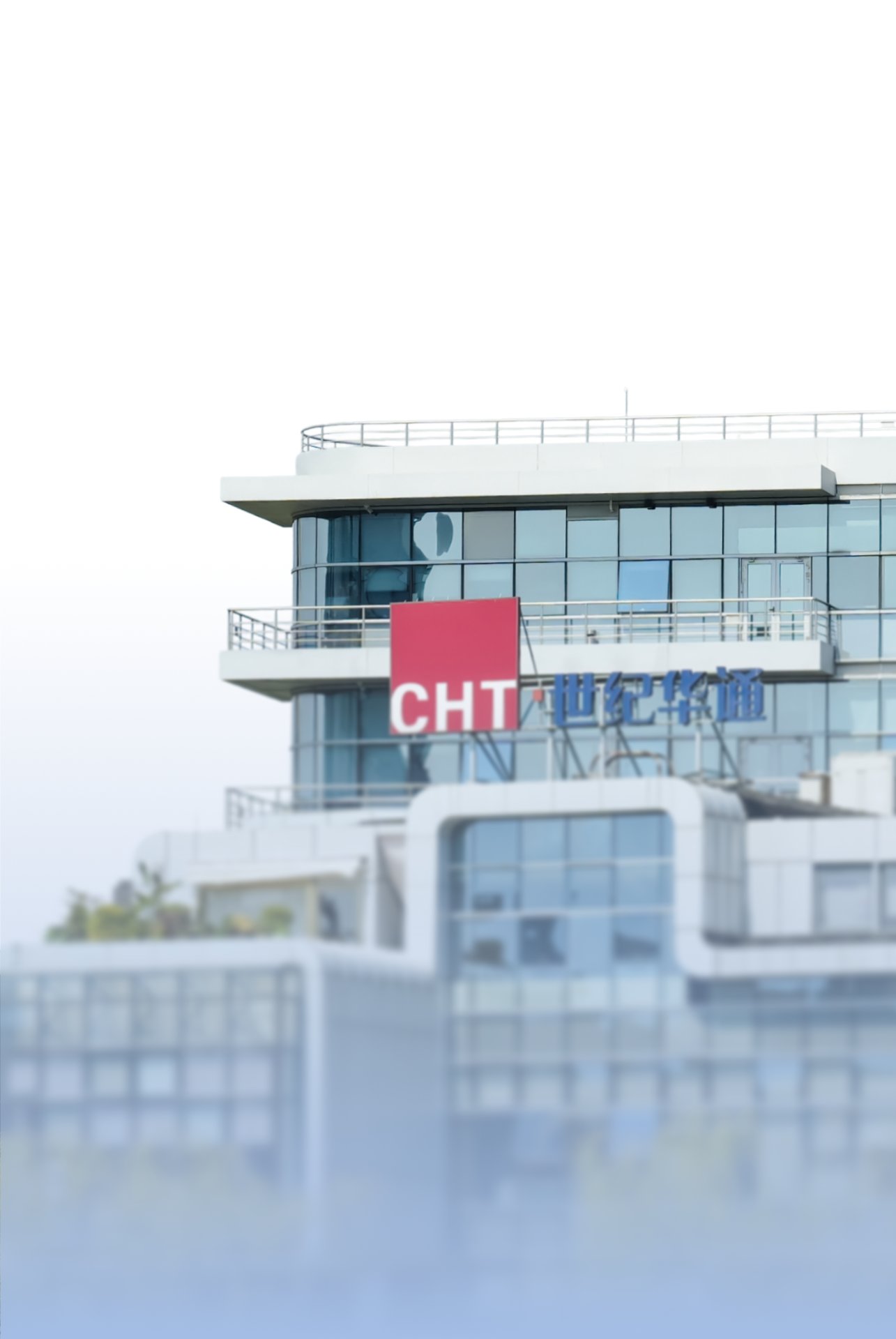
Behind every LYNSE device is a publicly listed, globally scaled technology group — the kind of backing that means your recorder keeps getting better for years.

Our Story
Capture Voice.
Build Intelligence.
Every voice deserves to be remembered.
For journalists, students, founders, and anyone whose best ideas arrive as spoken words, the tools have never been good enough — recordings drop, transcripts garble, cloud apps hold your voice hostage, and hardware brands vanish after a single product cycle. So we built a recorder that does three things exceptionally well: capture every word with clarity, turn speech into accurate text the moment you finish, and keep your conversations private by design.
We built it inside Century Huatong Group (SZSE: 002602), a company listed since 2011 with RMB 37.9 billion in FY2025 revenue. That backing is why your device keeps improving for years — not seasons.
Why Us
Group-grade AI, brought down to a device that fits in your pocket.
Century Huatong is best known for global games and large-scale AI data centers — tens of thousands of GPU cabinets powering cloud services for clients like Tencent and Huawei. LYNSE is where that capability lands in your hand.
The engineering is ours. The device is ours. The firmware and AI models are funded by a group that spent RMB 2.34 billion on R&D in a single year. This is not a logo on a generic gadget — it is group-grade AI in something this small, and we are still updating it years from now.
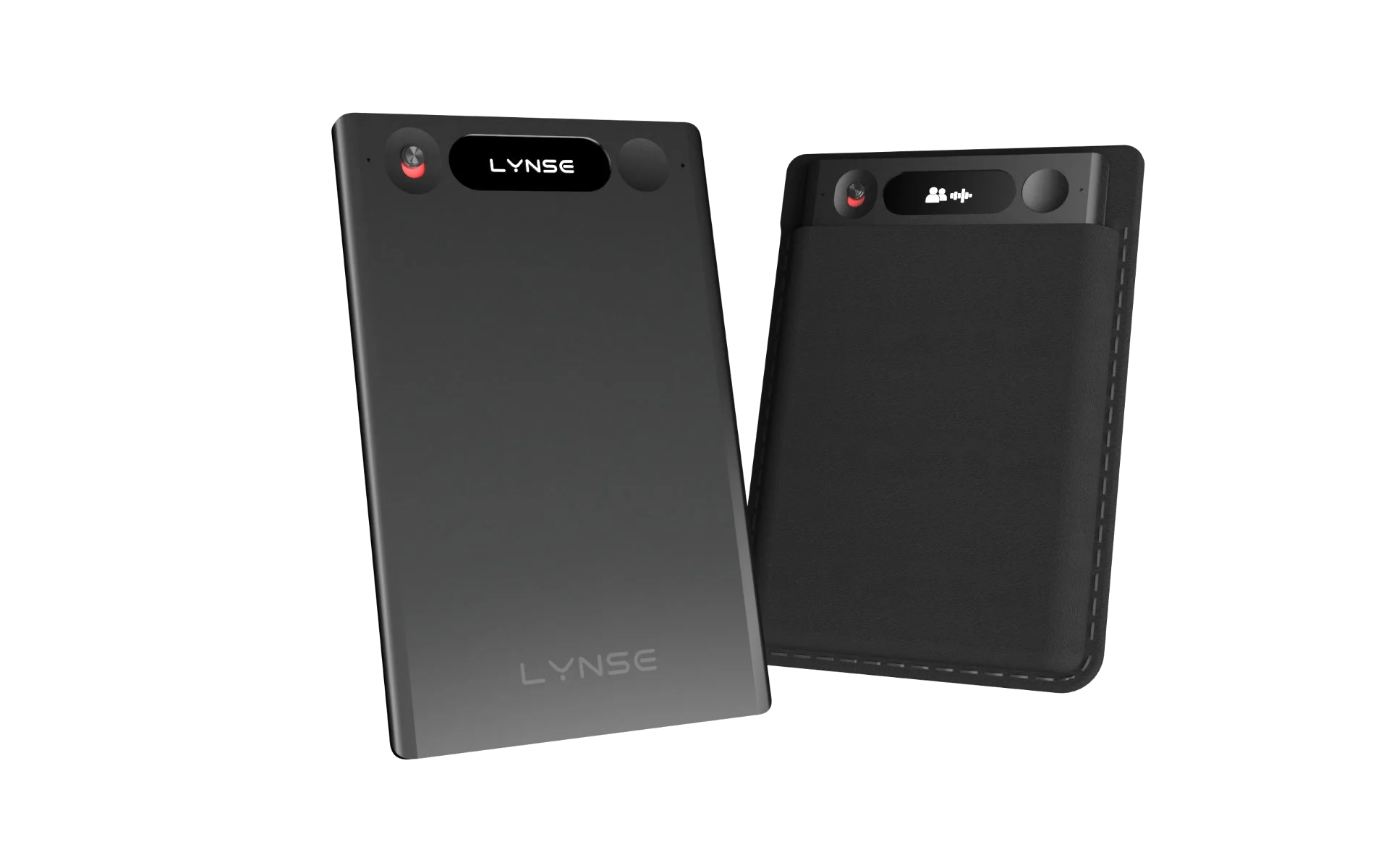
Testimonial
Don't take our word for it.
Watch them test it.
VOID设感
Product Designer
7.4K followers
“从一场会议,到一个能打开的网页方案”
English
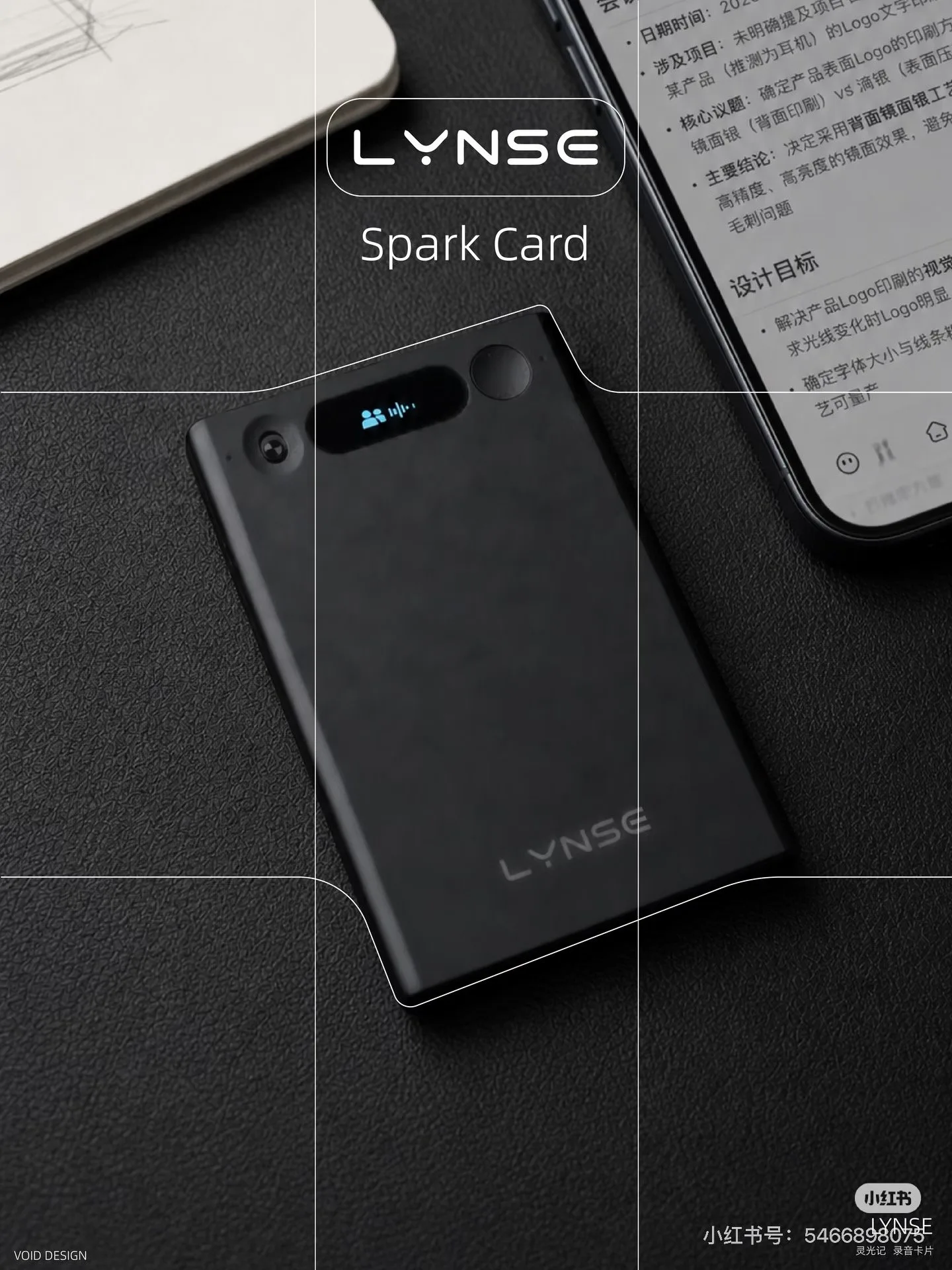
Recently I've been using the LYNSE SparkCard. At just 3mm thick and 29g, it's almost unnoticeable in my pocket. But what won me over isn't how thin it is — it's that recording is only the start of the real work. After a meeting, I just tell LynClaw in the app, “Turn this meeting into a report.” It generates minutes and a slide outline from the audio, and even pulls out owners, deadlines, and action items. Instead of scrubbing through recordings, I now just ask, “What was finally decided?” and keep searching, writing, and organizing. My favorite trick is feeding the recording into Codex. Codex turns the meeting into requirements, compares approaches, and produces a meeting summary I can open right in the browser. I also import product ideas I'd sketched out with GPT, and let Codex carry them forward into PRDs, a technical roadmap, and dev tasks — even start writing code. Before, meeting content lived in recordings and ideas sat in chat windows. Now they share one context: a sentence becomes notes, notes become a plan, and the plan becomes something that actually runs. Long recordings occasionally take a moment to sync, but the time it saves is worth far more than that.
VOID设感
2 months ago
@VOID设感 · 7.4K followers
最近在用 LYNSE 灵光闪记卡。3mm 厚、29g,放进口袋几乎没存在感。但真正打动我的,不是它有多薄,而是录完以后真的能继续“干活”。会议结束后,我直接在 App 里对 LynClaw 说:“帮我把这场会议整理成汇报。”它会根据录音生成会议纪要和 PPT 框架,还能提取负责人、截止时间和待办任务。以前要在录音里反复拖进度条,现在直接问它“刚才最终确定了什么”,就能继续查、写、整理。我更喜欢的玩法,是把录音资料接入 Codex。让 Codex 根据会议内容整理需求、分析不同方案,再生成一份可以直接打开的网页会议纪要。我还会把之前和 GPT 讨论过的产品想法一起导入,让 Codex 接着整理成产品需求、技术路线和开发任务,甚至直接开始写代码。以前,会议内容散落在录音里,灵感停留在聊天窗口里。现在它们可以进入同一个上下文,从一句话变成纪要,从纪要变成方案,再从方案变成真正能运行的东西。实际使用中,较长录音同步偶尔需要等一会儿,但省下来的整理时间,远远不止这一会儿。
Global Support
Global Reach. Local Support.
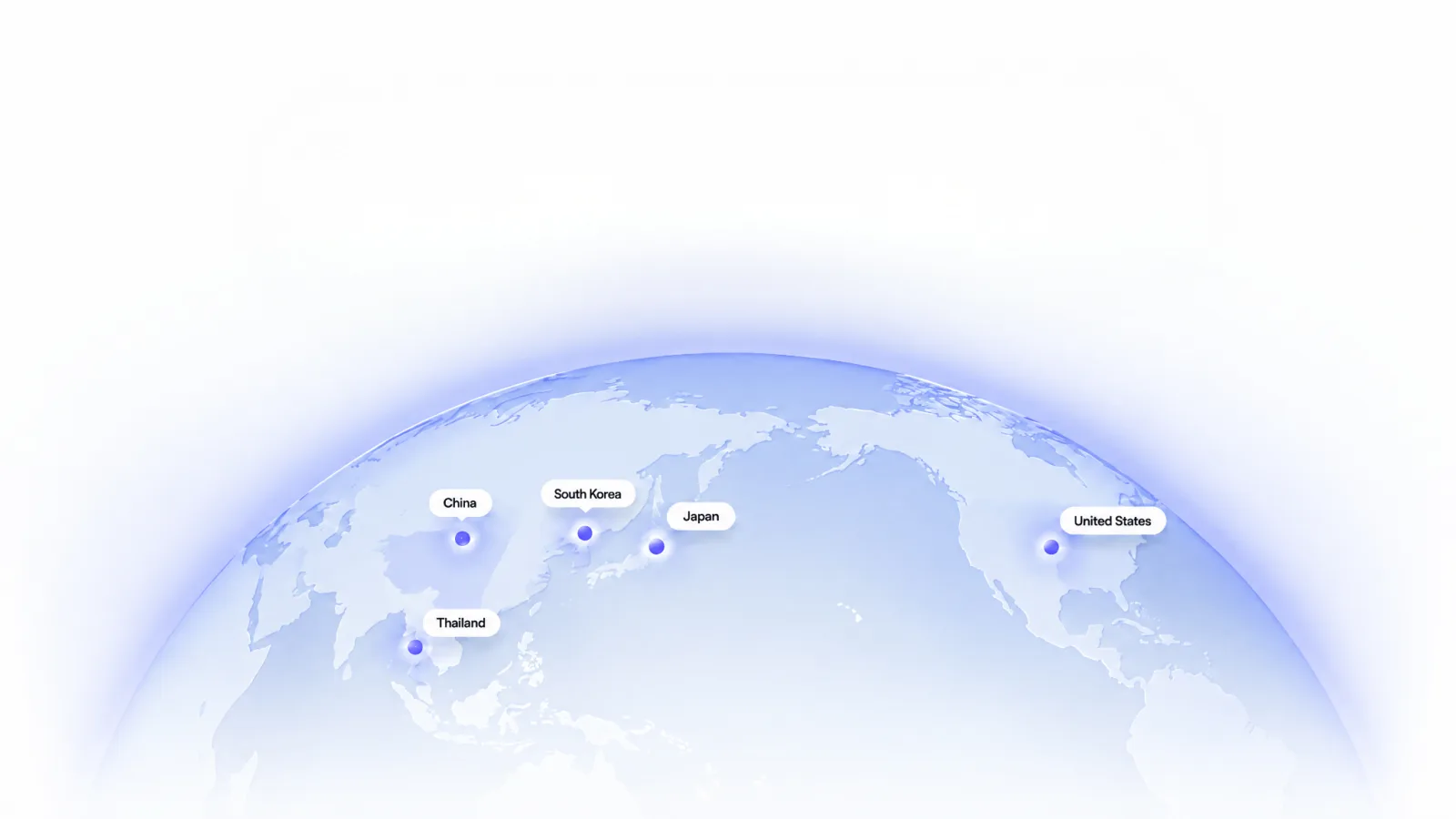
Warehouses in the United States, China, Thailand, Japan, and South Korea.

Ready to record with confidence?
Backed by a listed global group. Private by design. Built to last.